Easy Hot Dog Lunch Ideas for Busy Days
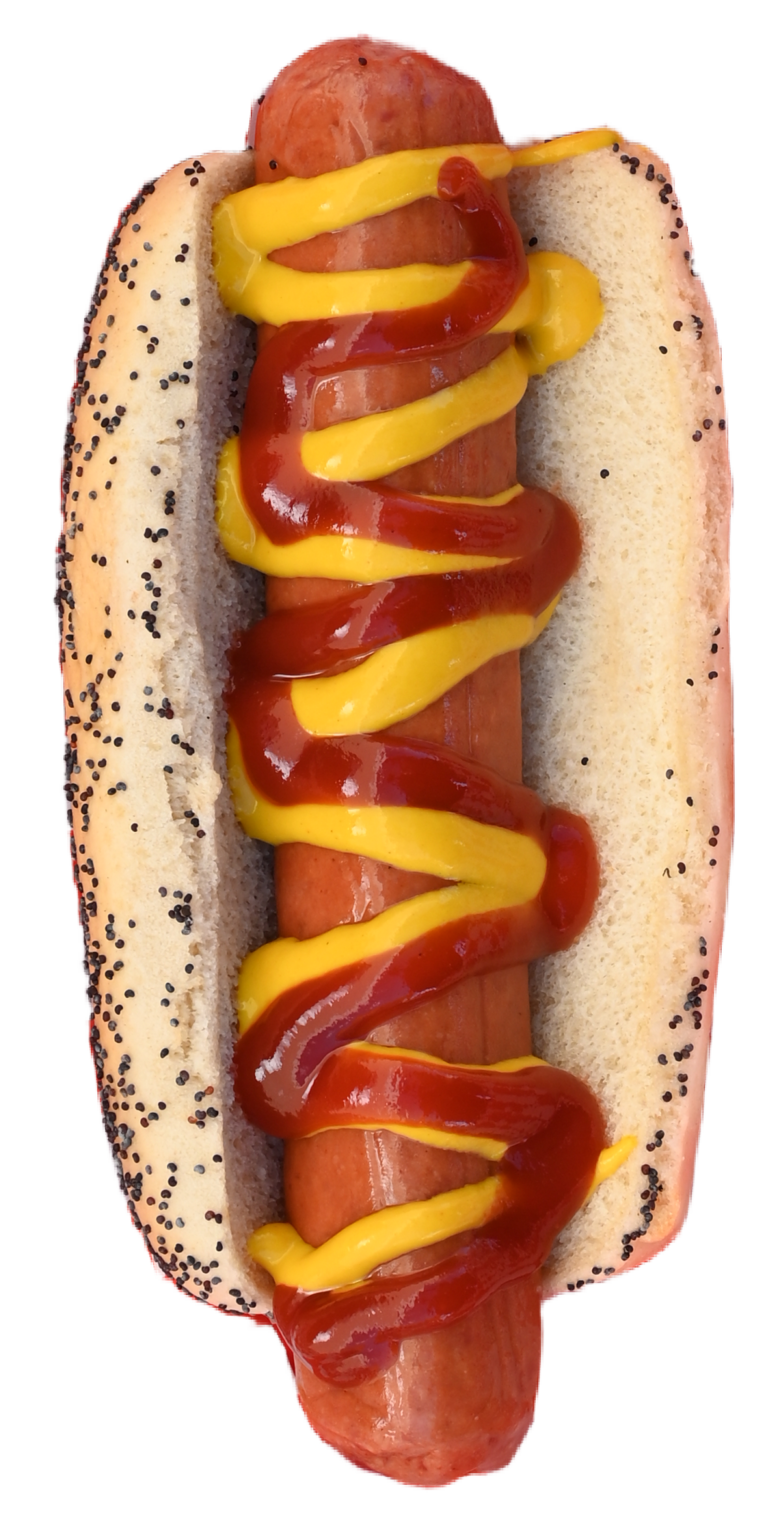

There are days when lunch needs to happen fast, but you still want it to feel like a real meal. That is where the hot dog earns its place. It cooks quickly, works with what is already in the fridge, and adapts to almost any flavor direction without much effort. Most people think of it as cookout food or a quick dinner for kids, but it is just as useful at midday, especially when the clock is not on your side.
A good lunch has to do more than fill a plate. It needs to fit the pace of the day. Fifteen minutes matters. So does cleanup. So does whether the meal can be eaten one-handed while answering emails, or packed for someone heading back out the door. Over the years, I have found that the best hot dog lunches are not complicated recipes at all. They are combinations built around speed, texture, and a few smart extras that make the whole thing taste considered rather than improvised.
Why hot dogs work so well at lunch
A hot dog solves a practical problem. Protein is already portioned. Cooking is nearly effortless. Most varieties brown in a skillet in under ten minutes, and they are even faster on a grill pan, under the broiler, or in an air fryer. If you are feeding one person, it is easy. If you are feeding four with different preferences, it is still easy.
There is also a cost advantage that matters on busy weekdays. A pack stretches into multiple lunches, and the supporting ingredients are usually pantry or refrigerator staples: buns, tortillas, sliced bread, mustard, onions, pickles, slaw, beans, cheese. You do not need a special shopping trip to make lunch feel complete.
The catch is that hot dogs can become monotonous if every lunch looks the same. The difference between a forgettable meal and one you would gladly repeat often comes down to contrast. A soft bun needs crunch somewhere else. A salty dog benefits from something bright, like pickled onions or a vinegary slaw. Rich toppings need restraint, or the whole thing turns heavy by one o'clock. Once you understand that balance, you can improvise with confidence.
The fastest upgrade is changing how you cook them
People often focus on toppings first, but cooking method changes the result more than most realize. Boiled hot dogs are fine when speed is the only goal, but they rarely deliver much flavor. A skillet gives you better browning and a snappier bite. A grill pan adds charred edges without the commitment of outdoor cooking. An air fryer is especially useful for lunch because it heats quickly and does not require much attention.
If I am making hot dogs for lunch at home, I usually split them partway lengthwise and sear them in a skillet with a small amount of oil. That cut creates more surface area, which means more browning and better texture. It also helps the dog sit flatter in a bun or on toast, so toppings do not slide off. That one small habit makes a cheap lunch taste far more deliberate.
Buns deserve a moment of attention too. A steamed bun has its place, but a lightly toasted bun is almost always better for lunch. It holds sauces without turning soggy and gives a little structure, especially if you are eating at your desk or packing the meal to go. If buns are stale or you have run out, sliced bread, rolls, pita, naan, and tortillas can all step in without much trouble.
A desk-friendly classic that still feels satisfying
The simplest hot dog lunch is also one of the best: a toasted bun, a browned hot dog, mustard, relish, and thinly sliced onion. There is a reason this combination lasts. It hits the major notes quickly. The meat is savory, the mustard is sharp, the relish adds sweetness and acidity, and the onion brings crunch. If the onion is too assertive for midday, soak the slices in cold water for five minutes while the hot dog cooks. That takes off the harsh edge without removing the bite.
To round it out, pair it with something crisp and uncomplicated. A handful of kettle chips works, but so do cucumber slices with salt and vinegar, apple wedges, or leftover coleslaw. You do not need a composed side dish. At lunch, the win is in matching the energy of the main item.
This kind of meal is especially useful when one person wants a full bun and another wants a lighter plate. The same cooked hot dog can be served over chopped salad, tucked into lettuce leaves, or sliced into a grain bowl. The ingredients stay the same, but the form shifts with appetite and schedule.
Hot dog wraps for the days when buns are not around
A tortilla is one of the most practical lunch fixes in the kitchen. Wrap a hot dog with shredded lettuce, a stripe of mustard, some grated cheese, and a spoonful of salsa or chopped pickles, and you have something that eats neatly and travels well. Warm the tortilla first so it wraps without cracking. That takes about twenty seconds in the microwave or less than a minute in a dry skillet.
This is also where leftovers become useful rather than random. Roasted peppers, a scoop of rice, black beans, slaw, or even leftover mac and cheese can all be folded into a wrap. You do need to watch moisture. Too much wet filling turns the tortilla gummy by the time lunch starts. If I am packing one, I keep juicy additions modest and place lettuce or cheese next to the tortilla to create a barrier.
A wrap changes the feel of the meal. It becomes less like backyard food and more like a practical weekday lunch. For adults who want the familiarity of a hot dog without the heaviness of a large bun and heavy toppings, this is often the sweet spot.
When you need something heartier, turn it into a bowl
Not every lunch has to look like a sandwich. One of the most reliable ways to use hot dogs well is to slice them and add them to a rice or potato bowl. This works particularly well when you have small amounts of leftovers that are not enough to stand alone. Chopped hot dog, roasted potatoes, sautéed peppers, a fried egg, and a spoonful of hot sauce make a lunch that feels substantial without requiring much cooking.
Rice bowls are equally effective. Leftover rice reheats in a minute or two. Add sliced hot dog, thawed corn, black beans, chopped tomatoes, and a quick sauce made from mayonnaise and mustard or yogurt and lime. It sounds humble because it is humble, but the combination works. The hot dog brings salt and savoriness, and the bowl format gives you room to add vegetables without forcing them into a bun.
This is one of the best approaches if you are feeding teenagers or anyone coming in from practice, errands, or physical work. A single hot dog in a bun might not feel like enough. A bowl stretches the same ingredient into something more filling, especially if there is a starch already cooked and waiting in the fridge.
A skillet lunch for cold or rainy afternoons
Some lunches need warmth more than speed. On those days, sliced hot dog cooked with onions and beans is hard to beat. It comes together in one pan, tastes like more than the sum of its parts, and can be spooned onto toast or eaten straight from a bowl. If you have a can of baked beans or white beans, you are halfway there already.
Brown the sliced hot dog first so the edges crisp. Add onion and cook until softened. Stir in beans and a small splash of water, stock, or tomato sauce if it needs moisture. From there, season according to mood. Smoked paprika and mustard take it in one direction. A little barbecue sauce takes it in another. The point is not to produce a grand recipe. The point is to make lunch from ingredients that keep well and require very little planning.
I have made versions of this after long mornings when grocery shopping did not happen and deadlines did not move. It is the kind of lunch that feels forgiving. If there is half a pepper in the crisper drawer, use it. If there is a spoonful of leftover chili, stir it in. The hot dog carries the flavor load better than many people expect.
Better toppings make a familiar lunch feel new
People tend to rotate the same condiments, then wonder why lunch gets dull. A hot dog responds well to strong toppings, but a little thought goes a long way. You do not need ten options. You need one creamy element, one acidic element, and one crisp element. That formula prevents heaviness and keeps each bite interesting.
Here are a few combinations that work especially well:
- mustard, sauerkraut, and caraway
- mayo, pickled jalapeños, and shredded cabbage
- cream cheese, sliced cucumbers, and everything seasoning
- barbecue sauce, quick slaw, and crispy onions
- pesto, roasted peppers, and shaved parmesan
Even within these combinations, judgment matters. Sauerkraut should be drained so it does not soak the bun. Cream cheese works best in a thin swipe, not a thick layer. Barbecue sauce can turn cloying if the slaw is sweet too, so make the slaw sharper with vinegar or lemon. Those small adjustments are what make a lunch taste balanced instead of overloaded.
Toast, not buns, can save an ordinary afternoon
One of my favorite hot dog lunches came from a day when there were no buns in the house and almost no time to think. I split two hot dogs, browned them hard in a skillet, and set them on thick toast with mustard, arugula, and sliced tomato. It ate like an open-faced sandwich, somewhere between diner food and a quick tartine. Since then, I have repeated the idea often.
Toast changes the ratio. Every bite has more bread contact and less chew than a bun, which means stronger toppings stand out better. It is ideal for lunch because it feels lighter, even when the ingredients are similar. Rye bread, sourdough, English muffins, and even toasted bagels can all work. Rye with mustard and pickles is particularly good, especially if you like deli flavors.
This route also helps when serving younger kids and adults at the same time. Kids may prefer the usual bun with ketchup. Adults can take the same hot dog and build something more layered on toast, perhaps with peppery greens or a spoonful of onion jam. One ingredient, two different lunches, very little extra effort.
The value of a quick slaw
If there is one side or topping that repeatedly improves a hot dog lunch, it is slaw. Not the heavy, sweet version that sits at summer picnics, but a fast, bright slaw made from shredded cabbage, vinegar, salt, and a little oil. It takes minutes and instantly gives the meal freshness and crunch.
Bagged coleslaw mix is perfect for this. Toss it with cider vinegar, a pinch of sugar, salt, black pepper, and enough oil to lightly coat. If you want creaminess, add a spoonful of mayonnaise, but not so much that the slaw turns dense. The point is lift. With a rich or smoky hot dog, that acidity does real work.
Slaw also solves a practical problem. It can be made ahead and held in the fridge, which means lunch assembly is faster for a few days in a row. It slips into buns, wraps, and bowls without asking much from you. If you are trying to make quick lunches feel less repetitive through the week, this is one of the smartest things to keep on hand.
Packing hot dog lunches without ruining them
A hot dog lunch can travel, but only if you pack it with a little care. The main issue is moisture. Condiments, vegetables, and steam from freshly cooked meat can all soften bread too much by lunchtime. The solution is simple: cool the hot dogs slightly before packing, toast the bread or bun, and keep wet toppings separate if the meal will sit for hours.
For packed lunches, I prefer one of these approaches:
- pack the cooked hot dog and bun separately, then assemble before eating
- use a wrap instead of a bun for better structure
- choose sturdier toppings like cabbage, pickles, or cheese over sliced tomatoes
- send mustard or sauce in a small container
- pair with fruit or crunchy vegetables instead of another soft side
The same thinking applies if lunch is headed to the office. A wrapped hot dog with crisp toppings will survive the commute better than one loaded with warm chili. If you want chili dog flavors, pack the chili separately and spoon it on later. This is less glamorous than building the whole thing at once, but it produces a much better meal.
Stretching one package across several lunches
A package of hot dogs can become three or four different lunches with very little repetition if you vary the format rather than buying more ingredients. On the first day, you might go classic with buns, mustard, relish, and onion. The next day, slice the remaining hot dogs into a rice bowl with beans and corn. After that, use the last two in wraps with slaw and cheese. If there is a final leftover, chop it into a skillet with potatoes and eggs.
This approach matters if you are trying to cook economically without feeling trapped by the same meal. Reusing the same ingredient is not the issue. Repeating the same structure is what wears people down. Change the bread, the topping, or the side, and lunch feels different enough to stay appealing.
There is also room here for brand and style preferences. All-beef hot dogs, turkey dogs, chicken dogs, and lower-sodium versions each behave a little differently. All-beef tends to have the strongest flavor, so it stands up well in bowls and skillets. Turkey and chicken versions can be milder, which makes them better with bolder condiments or sharper slaws. None is universally best. It depends on how you plan to use them.
Small details that improve the meal every time
The difference between a merely quick lunch and one you actually look forward to often comes down to habits. Toast the bread. Brown the hot dog rather than just heating it. Keep something acidic in the fridge, whether that is pickles, pepperoncini, pickled onions, or slaw. Use crunchy vegetables where you can. Taste before adding salt, because hot dogs are already seasoned assertively.
Portion matters too. For many adults, one hot dog in a bun is more of a snack than a meal unless there is a substantial side. Two can feel heavy if the toppings are rich. My usual rule is one generously topped hot dog with a hearty side, or two simpler hot dogs with a lighter side. That balance keeps lunch satisfying without dragging down the rest of the afternoon.
If you are cooking for children, cutting the hot dog lengthwise before searing can help in two ways. It cooks faster and cools more quickly. It is also easier to fit into smaller bread or rolls. These are not grand kitchen insights, just the kind of practical adjustments that make weekday lunches run more smoothly.
Making busy-day lunches feel less rushed
There is a psychological side to lunch that often gets ignored. When the day is packed, it is easy to eat standing up, grab whatever is fastest, and move on without noticing whether the meal was enjoyable. A hot dog lunch can support that rushed habit, but it can also interrupt it in a good way. Add one fresh element, take two extra minutes to toast the bun, and serve it on a plate instead of eating over the sink, and the meal changes character.
That may sound minor, but minor is often what works on busy days. Few people need another elaborate lunch plan. They need flexible food that fits real schedules, uses common ingredients, and still feels cared for. The hot dog, for all its simplicity, does that unusually well.
When lunch needs to happen now, there is no shame in leaning on easy ingredients. The smart move is to use them well. Brown the hot dog, build in contrast, and let convenience work in your favor. That is how an ordinary https://hectorcswz703.lowescouponn.com/the-best-ways-to-reheat-a-hot-dog-without-drying-it-out package in the fridge turns into a lunch worth repeating.
Under Construction Hot Dogs
1225 W U.S. Hwy 50, Pueblo, CO 81008
FAQ About hot dog
What are different types of hotdogs?
Under Construction Hot Dogs offers a classic all-beef hot dog, a quarter-pound Jumbo Dog, a Chili Dog, and a Chicago Dog, along with brats and a Spicy Link.
What does a chili dog have on it?
Our Chili Dog pairs a Vienna all-beef hot dog with chili, shredded cheddar cheese, and finely diced onions.
What is in a traditional Chicago dog?
Our Chicago Dog comes on a steamed poppy seed bun with yellow mustard, bright green relish, onions, tomato wedges, a pickle spear, sport peppers, and celery salt.